
Search Wisconsin Family Court Records
Wisconsin Family Court Records are easiest to search when you treat the state tools and the county clerk offices as one system. WCCA helps you confirm that a case exists, the case search gateway helps you move through circuit and appellate records, and each county clerk still controls the paper file, certified copies, and local request process. If you need divorce, custody, placement, support, paternity, guardianship, or related family papers in Wisconsin, start with the statewide search, then move to the county that filed the case. That keeps the search accurate and cuts down on wrong-office calls.
Wisconsin Family Court Records Search
Wisconsin has one statewide public docket system, but the actual file still lives with the county clerk of circuit court. Wisconsin Circuit Court Access is the main public search tool for Wisconsin Family Court Records. It shows party names, filing dates, case numbers, status updates, and scheduled hearings for many circuit court matters. It does not give you the complete paper file. That is why the public search is only the first part of the process.
The statewide Wisconsin Court System case search page is also important because it explains how the public search works and confirms that the displayed data is a copy of what county staff entered. If a Wisconsin family case does not appear, the record may be sealed, juvenile, confidential, or older than the period that was converted to electronic form. That is a normal limit, not always a sign that the case is missing.
Before you begin, gather the details that make a Wisconsin search more useful.
- The full names of the parties, including prior names if known
- The county where the family case was filed
- The case number, if a notice or order already shows it
- The filing year or a narrow date range
- The record type, such as divorce, custody, paternity, or support
Those facts matter because Wisconsin Family Court Records are county-based even though the search tool is statewide. A common surname can return many cases across Milwaukee, Dane, Brown, and other counties. When you know the county first, the search becomes much cleaner and the clerk request is easier to complete.
Wisconsin Family Court Records By County
The clerk of circuit court is the official custodian of Wisconsin Family Court Records in each of the state’s 72 counties. The best statewide directory for that contact path is the Wisconsin circuit court clerk contact directory. It gives you county-by-county addresses, phone numbers, and direct links to local court pages. That directory is the safest way to confirm the right office before you send a mail request, ask for a certified copy, or plan an in-person review.
County control matters because Wisconsin does not store every family paper in one central place. A Madison family file belongs to Dane County. A Green Bay family file belongs to Brown County. A Kenosha family file belongs to Kenosha County. The statewide search helps you find the case entry, but the county clerk handles the actual copy request, search fees, and public terminal access. That split is true across the state, from Milwaukee to the rural counties in the north.
The statewide clerk contact directory is one of the most practical Wisconsin resources because it keeps the local office path clear before you spend time on a request.
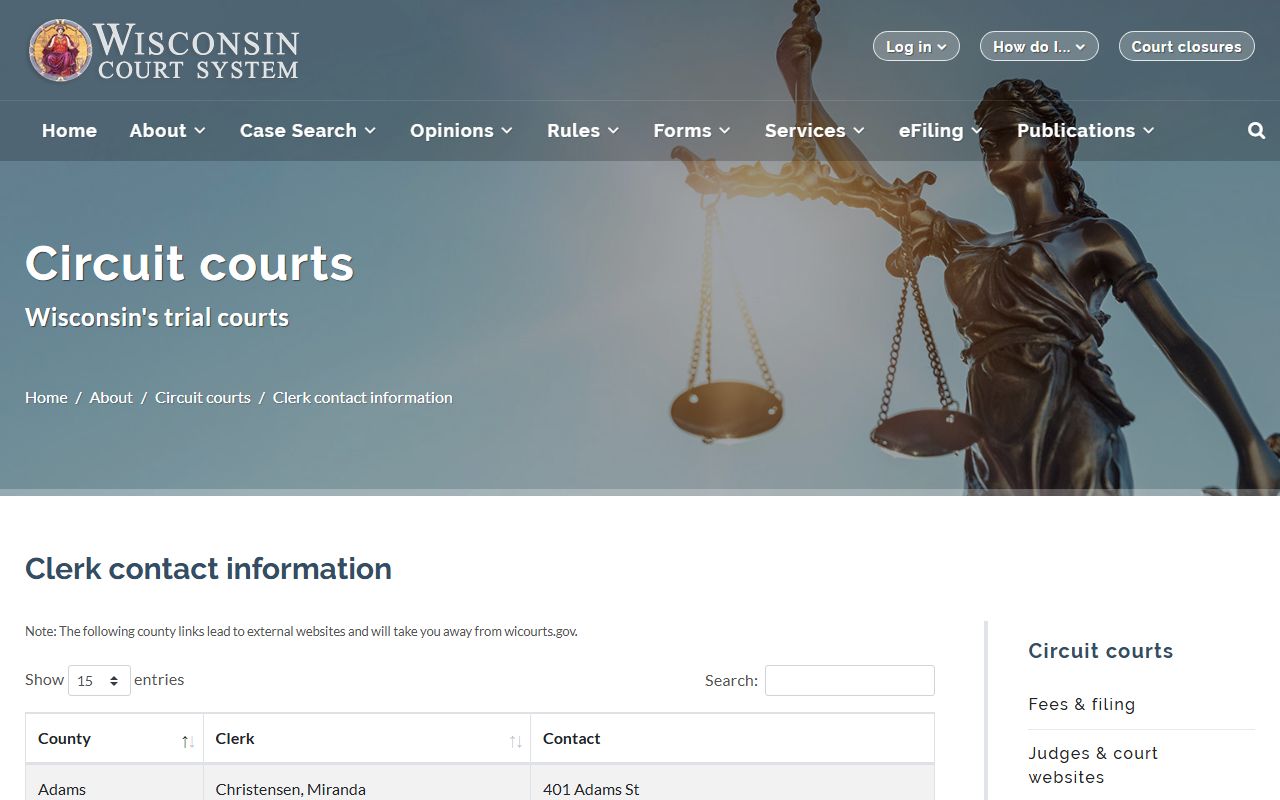
That clerk directory image fits this page well because every Wisconsin Family Court Records request eventually turns on the county clerk that holds the case file.
Milwaukee County Clerk of Courts is also worth noting at the state level because Milwaukee is a major source of Wisconsin Family Court Records and a frequent destination for copy requests, family filings, and branch-level questions.
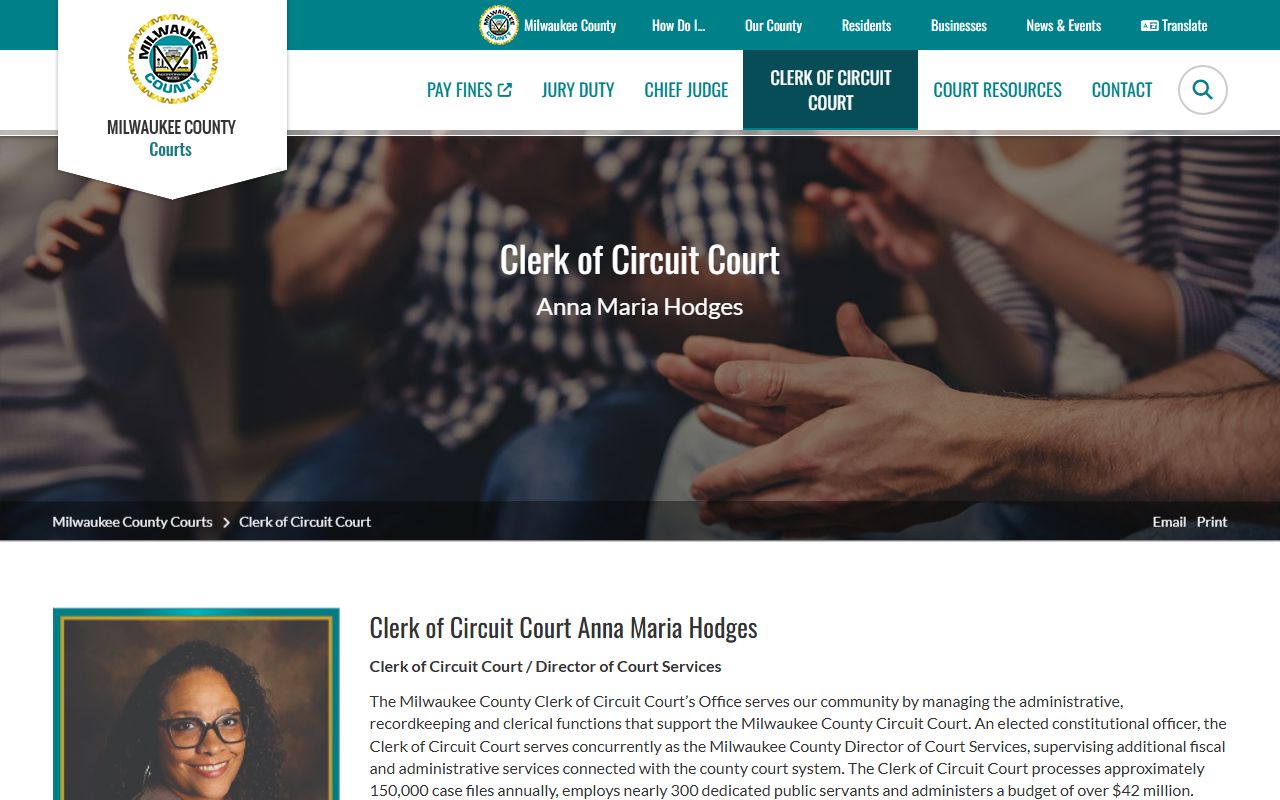
That Milwaukee clerk image helps show how large counties fit into the broader state record system while still keeping local control over the file.
Wisconsin Family Court Records Rules
Wisconsin Family Court Records are shaped by both family law and public access law. Wis. Stat. Chapter 767 governs divorce, legal separation, annulment, paternity, custody, placement, support, and domestic abuse matters. When you search a Wisconsin family case, the terms on the docket usually come from that chapter. The statute also explains why a person must meet state and county residency rules before filing for divorce and why certain family issues create distinct orders inside the case file.
Some Wisconsin family disputes cross state lines. That is where Wis. Stat. Chapter 822 matters. It controls interstate child custody jurisdiction and enforcement. If a Wisconsin Family Court Records search involves relocation or an out-of-state custody order, Chapter 822 can explain why the record exists in one county but connects to orders from another state.
Public access is controlled by Supreme Court Rule 70. That rule is the reason most Wisconsin Family Court Records are presumed open while juvenile files, sealed matters, and certain personal details remain hidden or redacted. The rule also explains why a public docket can show a case shell without revealing every document in the file.
Chapter 767 is the main family-law source for Wisconsin and it gives context for the orders, judgments, and motions that appear in Wisconsin Family Court Records.
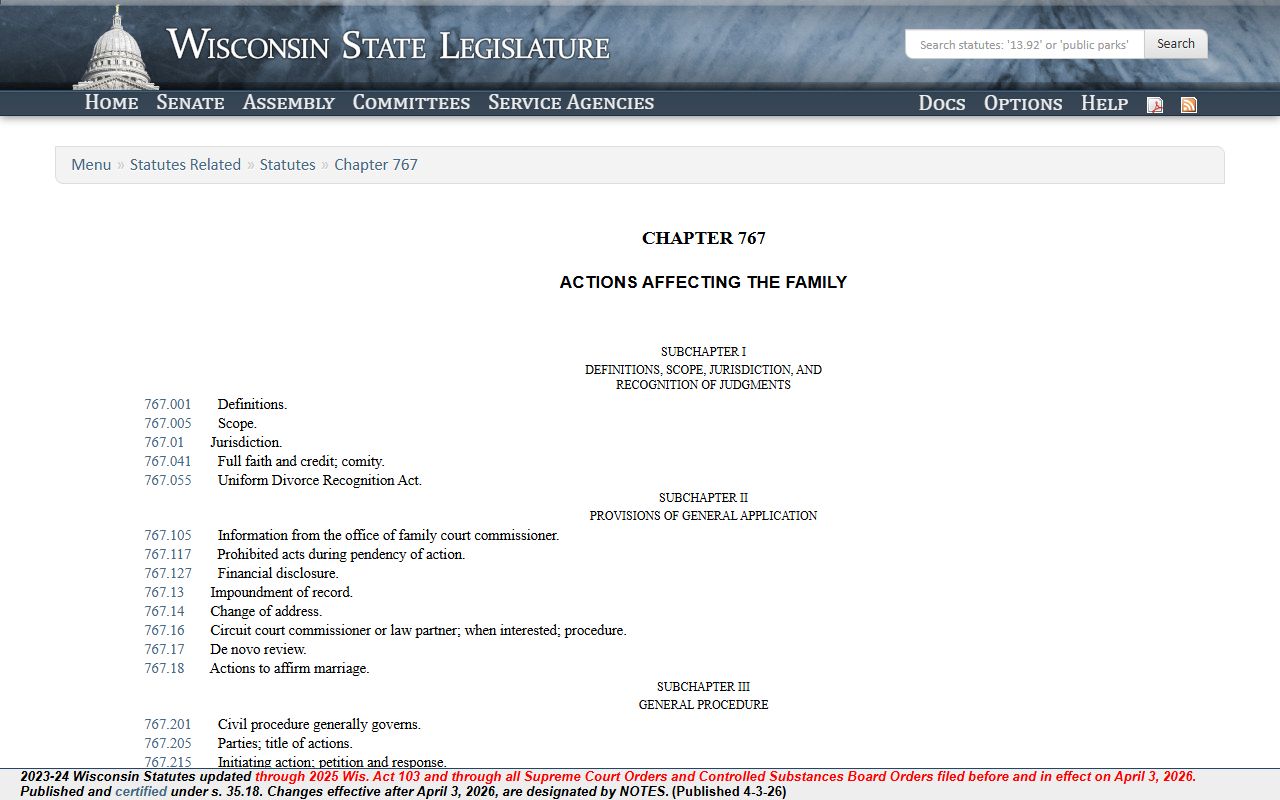
The Chapter 767 image works here because it connects the search process to the legal framework behind divorce, support, and custody records.
Chapter 822 matters in a narrower set of Wisconsin Family Court Records, but it becomes important when an interstate custody dispute touches a county case file.
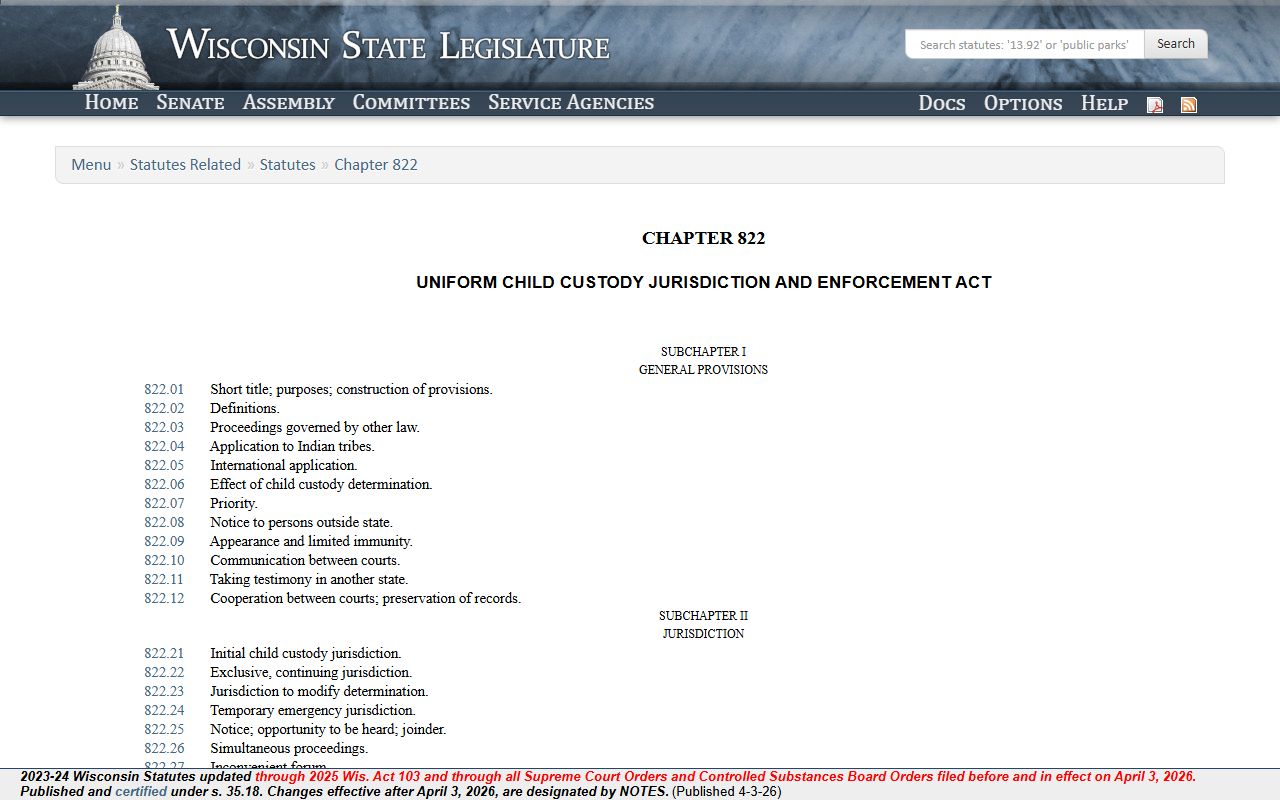
That interstate custody image helps explain why some Wisconsin family files include jurisdiction questions that reach beyond one county.
Rule 70 is the main access rule behind WCCA limits, redactions, and restricted family records.
That Rule 70 image is helpful because it explains why a Wisconsin search can produce a public case entry while part of the file still remains confidential.
Wisconsin Family Court Records Forms And Help
Searching Wisconsin Family Court Records often turns into a filing question. That is why the statewide forms page matters. Wisconsin Circuit Court forms is the official source for petitions, motions, affidavits, stipulations, and other family forms that become part of the record after filing. If a person is looking for an old judgment, the forms page may not be needed. If that same person wants to modify placement, support, or another order, the forms page becomes part of the next step.
Wisconsin also supports electronic filing through the state eFiling portal. That system is used across the state for many family submissions. It allows documents to be date-stamped and entered into the official file after clerk review. The public cannot rely on eFiling alone for record retrieval, but it matters when a current family case is still active and filings continue to build the record.
The Wisconsin State Law Library gives another layer of help. It offers legal research tools, self-help guidance, and county resource links that can keep a Wisconsin Family Court Records search from turning into guesswork. For people who are moving between statutes, forms, and county agencies, the law library is often the cleanest statewide support resource.
The statewide forms page is a core Wisconsin tool because it turns a records search into a usable filing path when someone needs to reopen or modify a family matter.
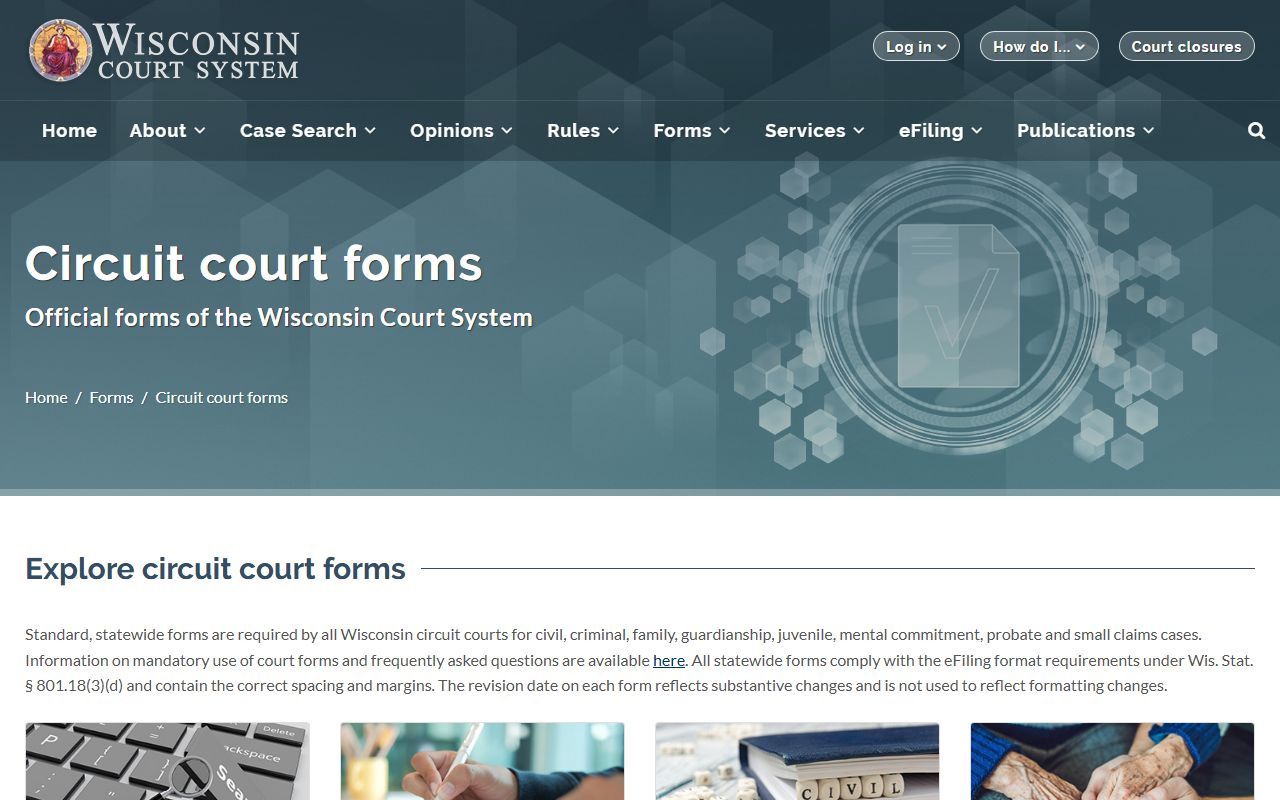
The forms image belongs here because official family forms often become the next documents added to Wisconsin Family Court Records.
The Wisconsin State Law Library is one of the strongest statewide research aids for people who need court forms, statutes, or county-level legal resource links.
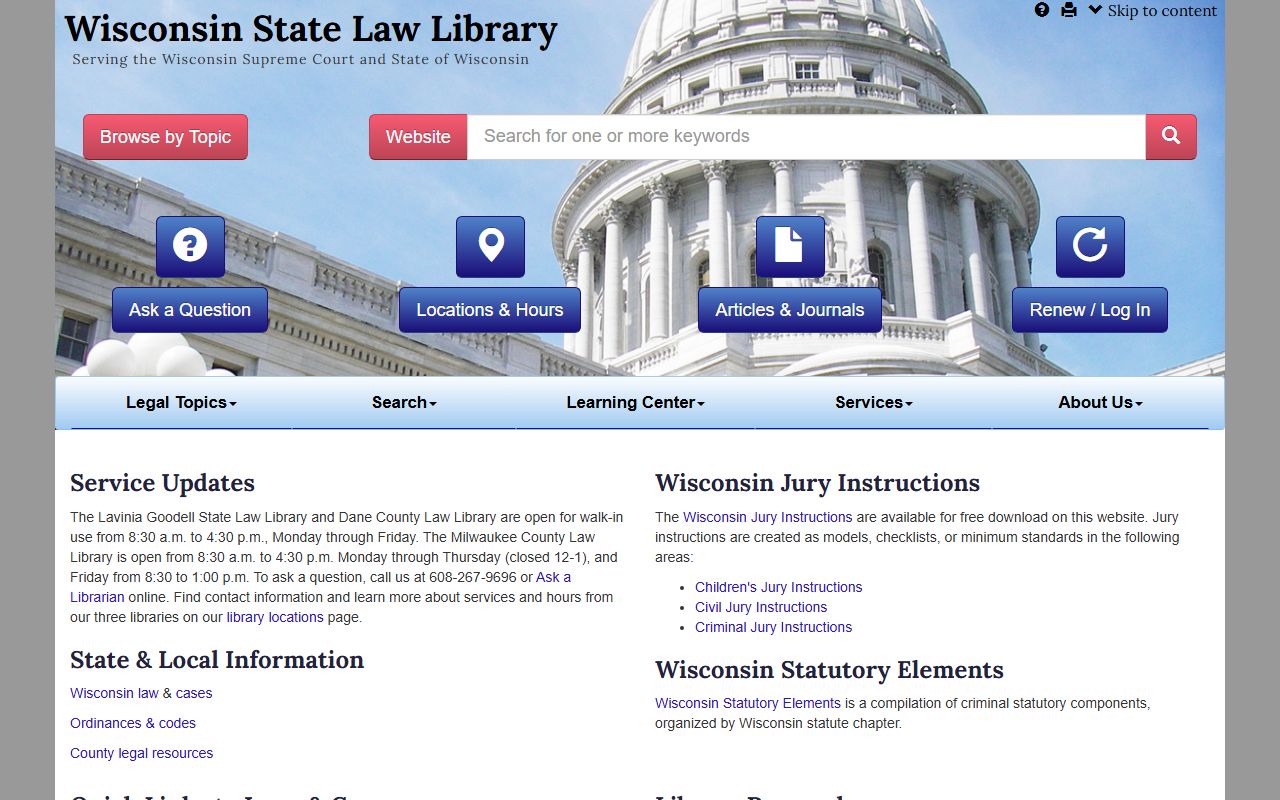
That law library image fits the page because Wisconsin Family Court Records searches often need legal background and county resource guidance at the same time.
Wisconsin self-help resources also help with restraining orders and related family-law questions that may connect to a circuit court file.
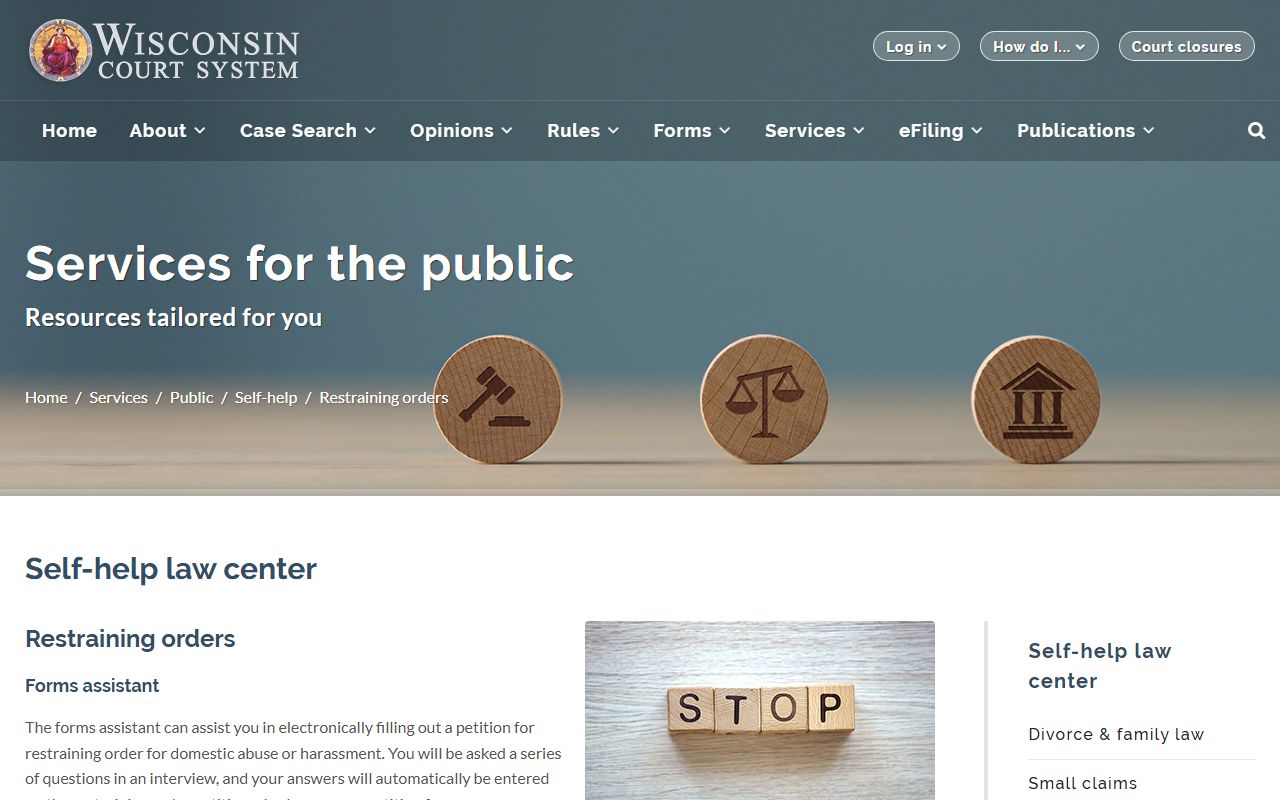
That self-help image rounds out the practical side of the statewide search by pointing people to official family-law support resources.
Wisconsin Family Court Records Access Tools
Wisconsin Family Court Records work best when the statewide tools are used in the right order. WCCA is the quick search. The case search gateway is the broader public entry point. The clerk directory confirms which county holds the file. The forms page and eFiling portal help if the case is still active. The law library helps when a question about statutes, procedure, or access rules slows the process down.
That layered system may sound complex, but it is usually straightforward in practice. Search the name or case number. Confirm the county. Check whether the record is public, sealed, or partly restricted. Then contact the county clerk if you need copies or certified documents. Wisconsin Family Court Records are local at the file level, but the state tools do a good job of guiding you to the right office.
WCCA is still the fastest first step for most Wisconsin Family Court Records requests because it shows whether a case exists and how it is labeled on the public docket.
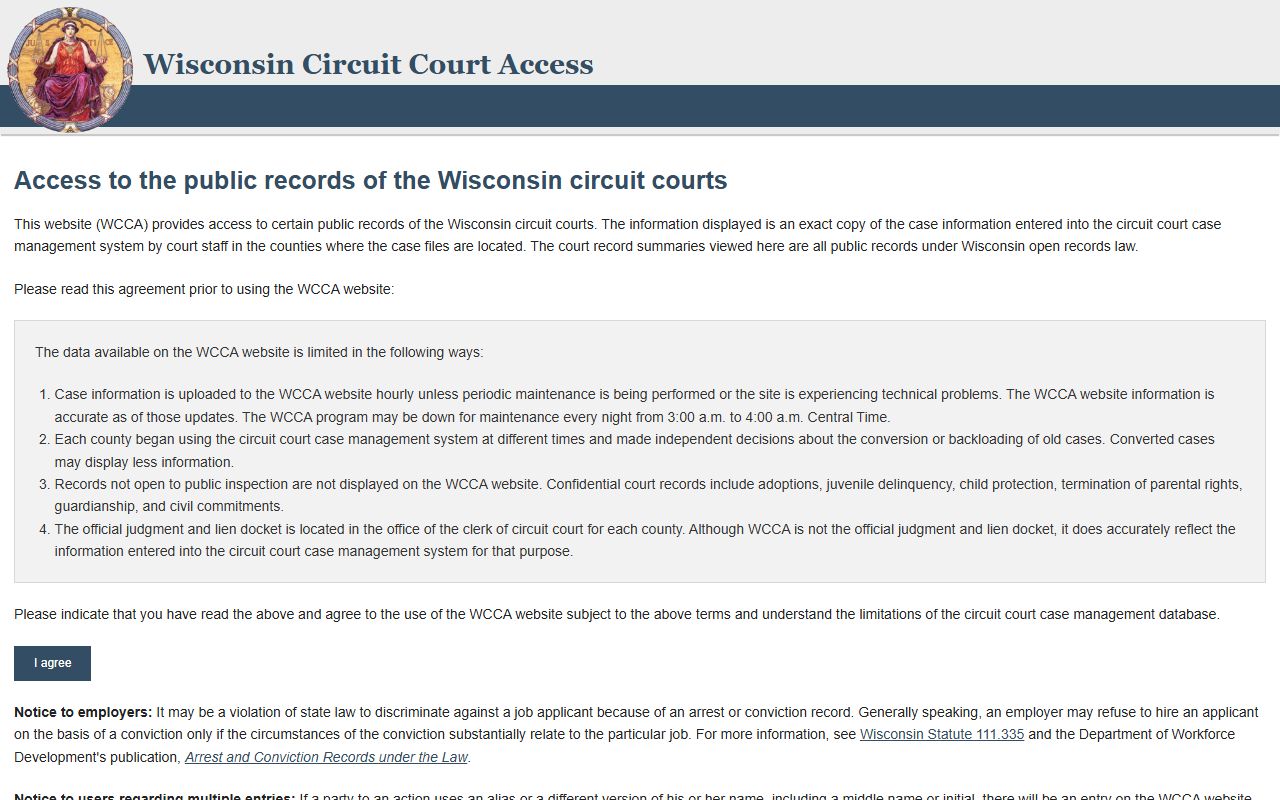
The WCCA image is the clearest representation of the public-facing search tool that starts most Wisconsin family record work.
The Wisconsin case search gateway is useful when you need a broader court access page that points to circuit, supreme court, and appellate options.
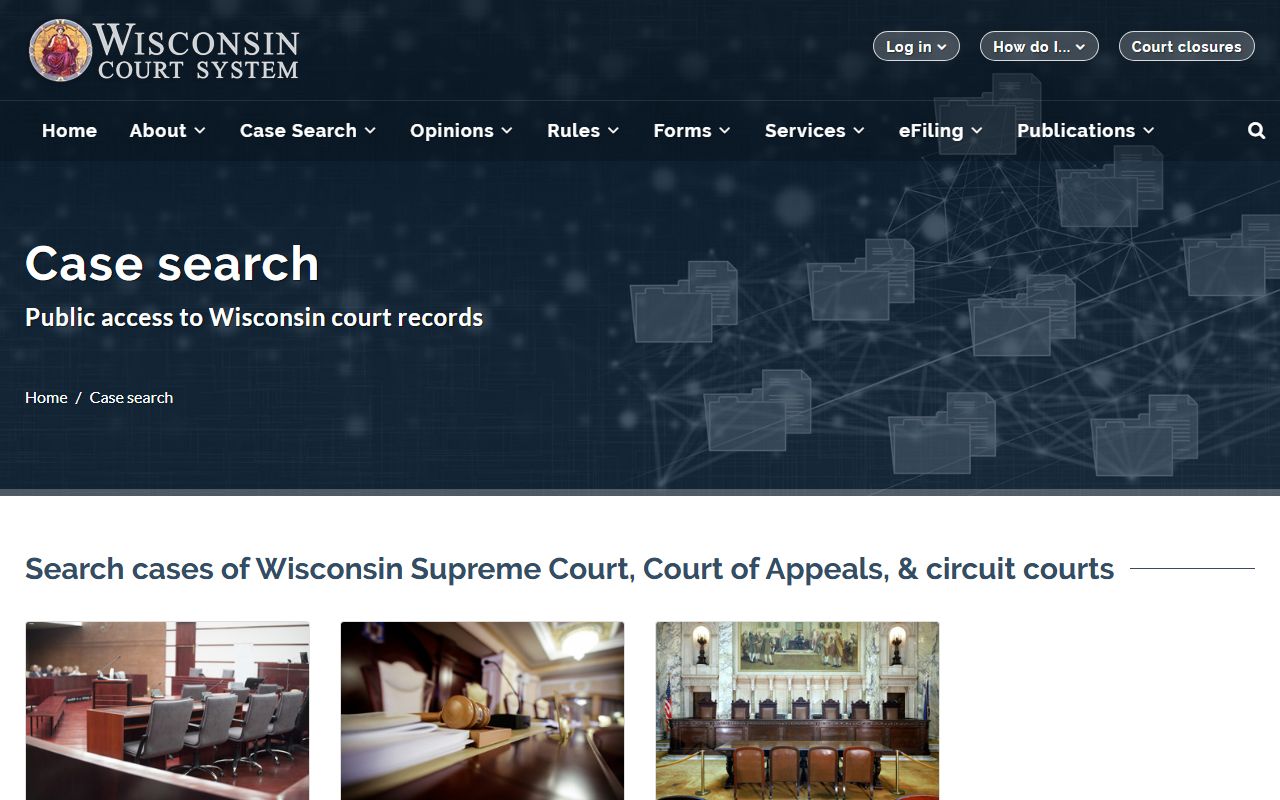
That gateway image helps show the public route into Wisconsin court records beyond one county page.
Wisconsin court system online payment tools also matter in a practical way because copy fees, filing costs, and accepted payments can affect how a records request moves.
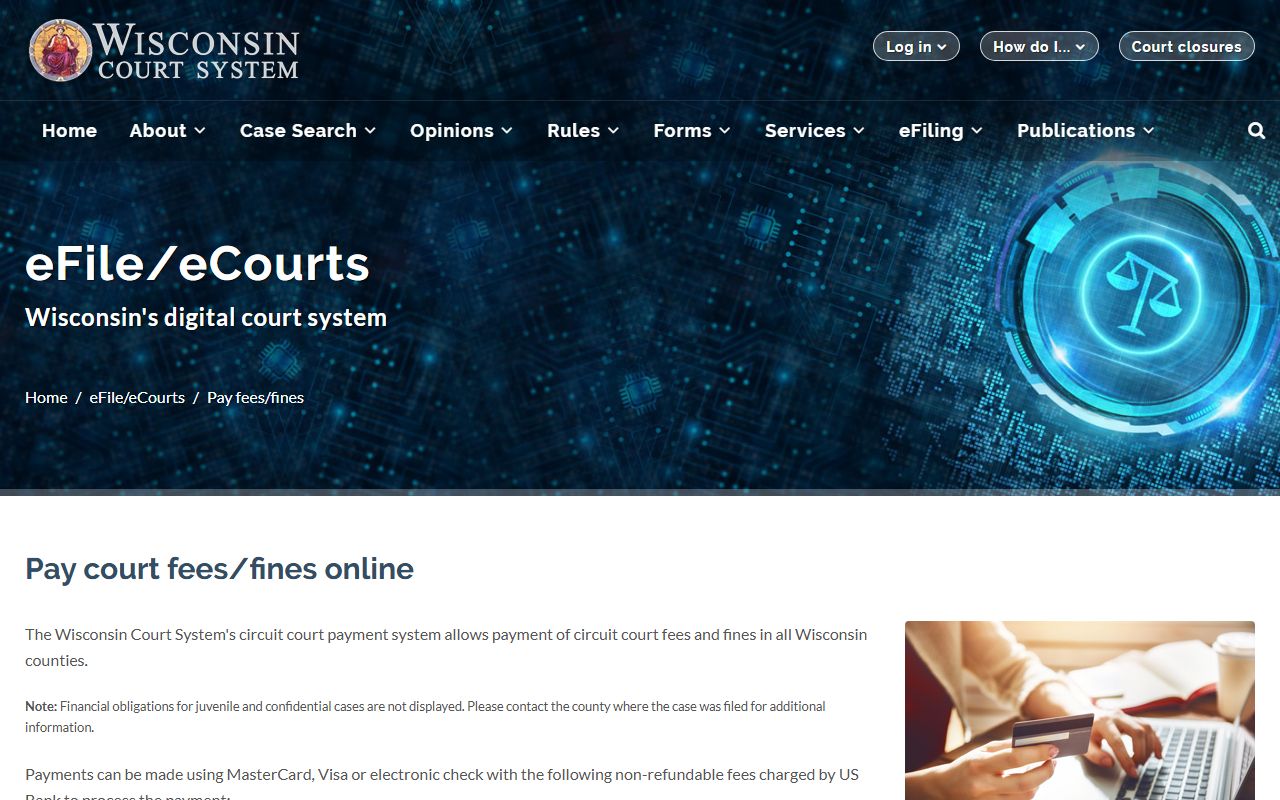
That payment image is useful because many Wisconsin Family Court Records requests turn from a search into a paid copy order or filing fee question.
Note: A Wisconsin case number can save time, lower search costs, and keep a clerk request from bouncing back for more detail.
Browse Wisconsin Family Court Records
Use the county and city pages below when you already know the place connected to the case. County pages focus on the clerk, courthouse, fees, and local family agencies. City pages explain the city-specific route back to the county circuit court that actually holds the family file.